Adjustable fume extractor
by Bigsmoke3D · via Thingiverse
| Format | STL |
| Category | Gadgets |
| License | CC BY-SA |
| Triangles | 12.5k |
| Uploaded | Apr 9, 2026 |
⬇ 12 downloads
❤ 2 likes
👁 57 views
Description
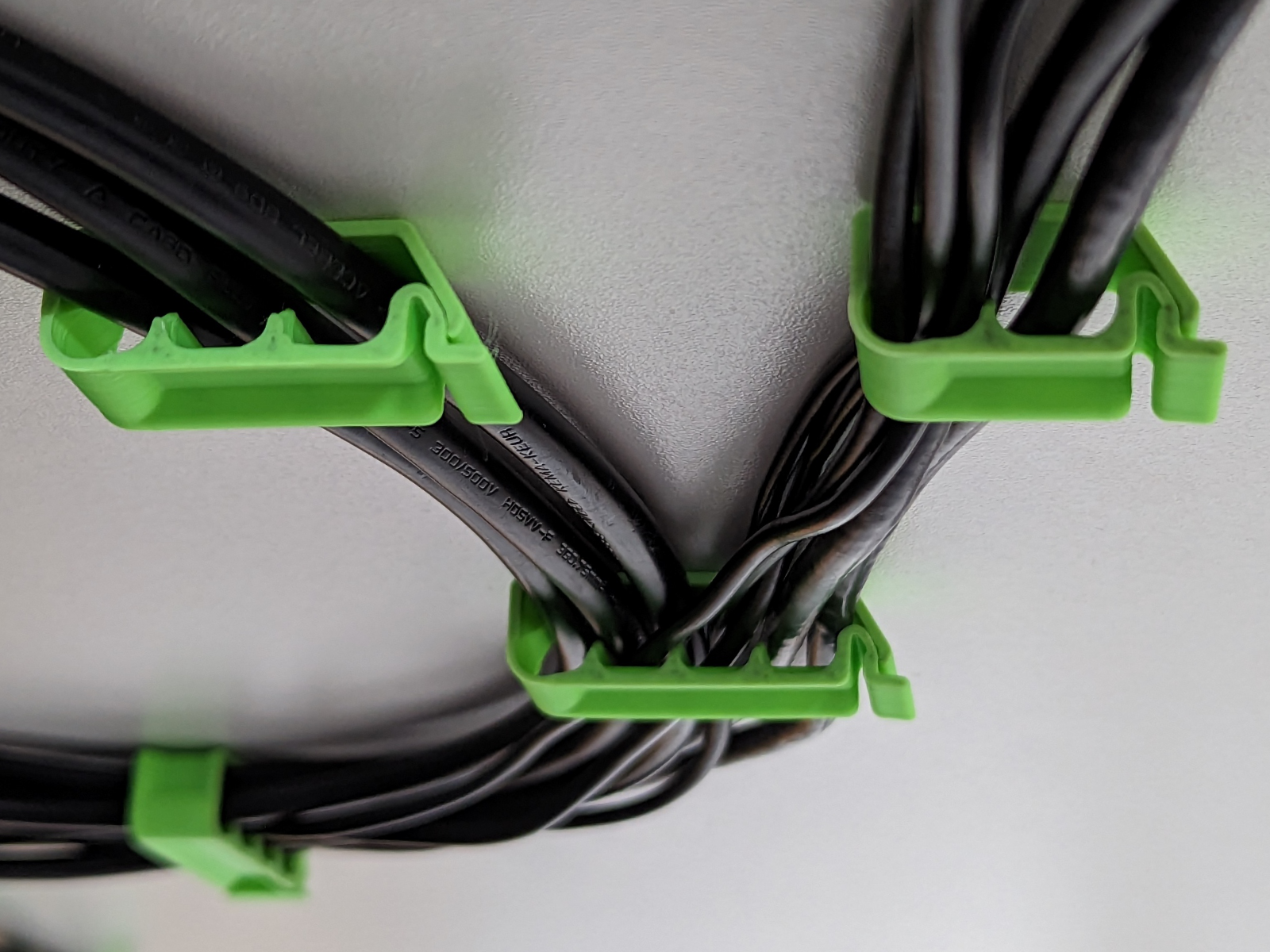
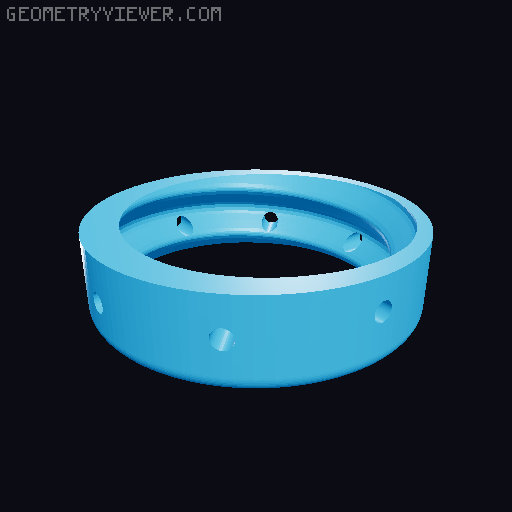
This workbench fume extraction system is a non invasive, convenient solution to removing harmful soldering fumes, plastic welding fumes etc. from your work area. the modular adjustable arm allows for setting the hose at any position and height around the desk as well as storing the hose aside for when it isn't needed. the window adapter allows for extracting the fumes through the gap of a tilted window, but if the geometry of your room doesnt allow for that, you can also use the hose adapter to send the fumes through the hose into ventilation duct or open window. (see pictures) the trussing on the arm makes it very light but still rigid making it cheap and quick to print The listed duct fan is strong enough to pick up fumes and smoke from 25-35cm away which makes it comfortable to use as the hose doesnt obstruct the work area. You can use however many arm sections you want but three is a nice sweetspot between high range of motion and strong rigidity The hardware needed: -HF-100P 35W Inline duct fan (see last picture) -70mm PU fume extraction hose -at least 4x 90-95mm M10 bolts and nuts -a couple of ~ 30mm wood screws -one ~45-50mm M8 bolt and nut -one M5/M6 ~25mm bolt and nut -a couple of anchors and screws for screwing the duct to a wall -something to secure the hose to the arm - 30cm releasable zipie in my case assembly manual: -first assemble the adjustable arm, Duct fan arm mount, arm section A, arm section B and arm handle must be bolted together with M10 bolts acting as joints, here you can adjust the resistance of the arm by tightening the M10 nut. when done, you can secure the bolts with either threadlocker or CA glue so they wont loosen over time, or also use Nyloc nuts intead. -while it's a non-critical part, you can now also add the hose rest part by bolting it to the first section of the arm using a M5/M6 bolt and nut -the PU hose must then be screwed into the hose adapter part - yes, screwed- the hose has a shape of a thread and can be screwed into the adapter and endcap part creating tight and non invasive seal. -take the Duct fan arm mount part and insert then glue an M8 nut in the matching hole and insert the M8 bolt from the opposite side, this creates a split clamp we can secure on the shroud of the fan. slide the hose adapter part inside the arm mount. install it on the shroud of the fan and adjust the screw to secure the arm on the fan -then take the duct fan mount and slide it into the fan base, and test fit it on the wall to mark the spots for drilling. The duct fan mount is designed to allow for quick removal of the entire fan assembly when not needed but if the hold on the fan base isn't strong enough, the arm can droop down in which case, just install the fan on the wall without the fan mount part, the regular way. -you can now tightly install the arm mount on the fan by drilling small holes in marked spots next to first arm pivot, simply drill through the shroud of the fan to screw the wood screws through it so the arm mount wont slide of the fan shroud when tugged. -if you're using the window exhaust part, similar thing can be done on the upper, exhaust side of the fan. If you plan to also connect the hose on the upper side, simply print a second hose adapter and also screw it into the shroud. -now that the whole assembly is installed on the wall, the hose can be secured to the arm with a long releasable ziptie, or a piece of wire or string, whatever you have on hand. i reccomend securing the hose in just one spot at the tip of the arm, this doesnt confine the motion of the hose so it rotates nicely along with the arm without much resistance. -a hose endcap can now be installed, you can either choose the regular version or one of two versions with holes for mounting, M6 or M8 tap holes. the endcap can have bolts screwed into it so you can grab onto them with a helping hand or a tripod etc on your arm for fine and steady positioning, however, this is not necessary for most use cases as you can adjust the height by either pulling on the hose or pushing it back onto the arm, that's why a reusable ziptie works very well here, you can loosen it, push the hose back in and lock it back, then work while the hose dangles above at the right height and positon. Print settings: All standard filaments can be used here, however, the arm parts probably shouldn't be printed out of PLA as this plastic suffers from creep, so the arm would probably droop and deform over time. A rigid filament such as PETG-CF is reccomended here. I reccomend only supporting critical areas (see picture) as the rest is just simple bridging, however if your printer struggles with bridging, you can manually add some tree supports there. All other parts dont require any supports.
Originally published on Thingiverse