Clear Fishing Lure Box (Magnetic/Latched Tackle Box)
by FishBoi · via Printables
| Format | STL |
| Category | Electronics |
| License | CC BY-NC-SA |
| Triangles | 2.2k |
| Uploaded | Jun 10, 2024 |
⬇ 127 downloads
❤ 37 likes
👁 1.4k views
Description
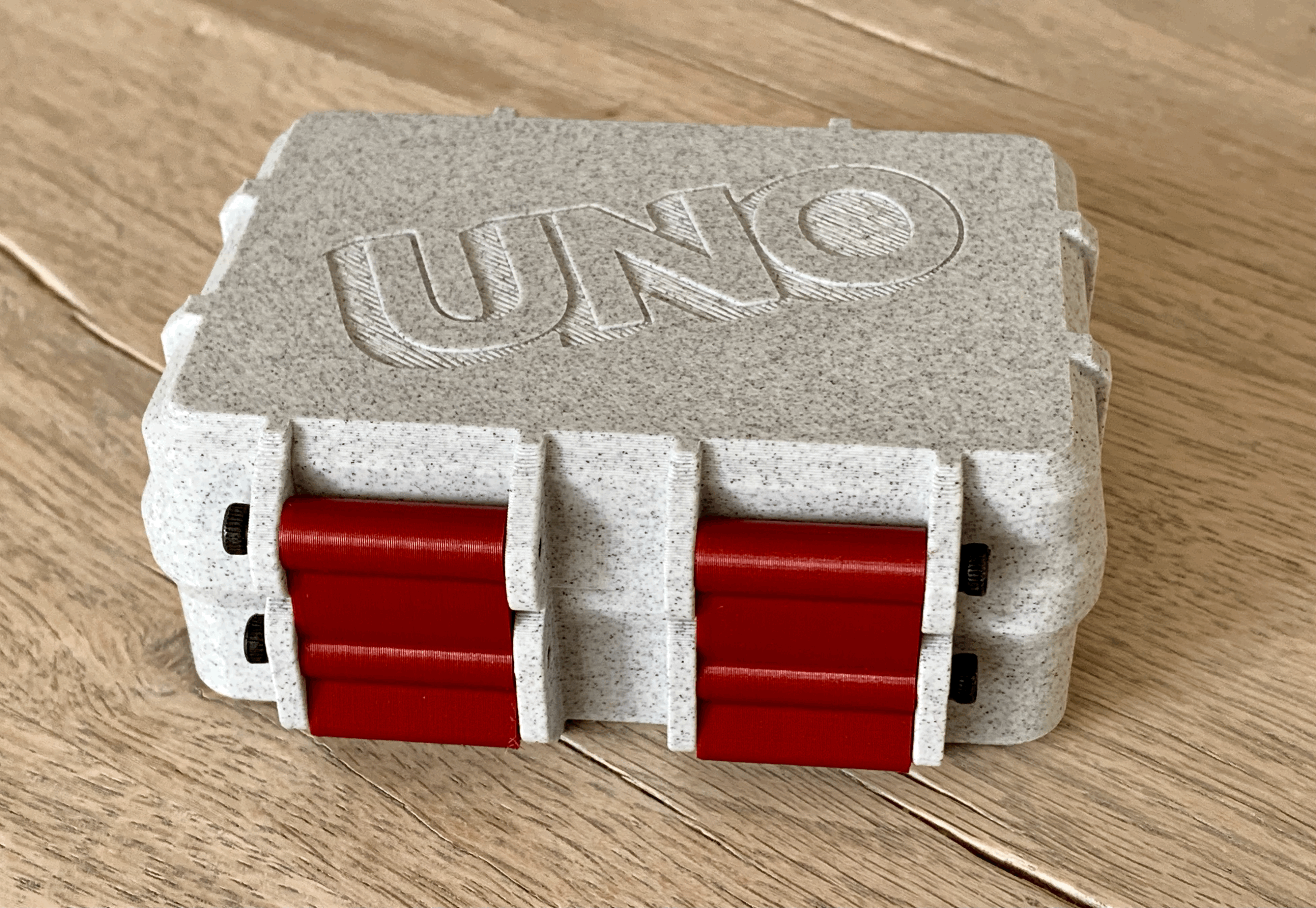
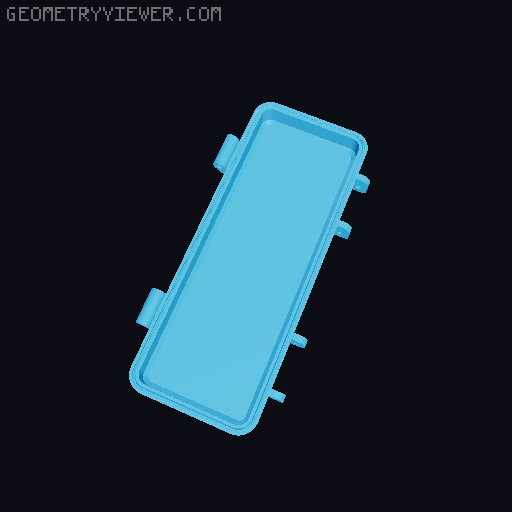
I needed a small thin tackle box for flyes and other lures that i could easily fit in my waders. Remixed a rugged box design by Whity. I designed it specific for me but there are 2 designs in the files. I wanted it to bee somewhat clear to see through. Needed it to be kind of flexible. THERE ARE 2 DESIGNS BELOW No supports needed. No brim needed. TALL LATCHING FLYBOX - taller, latching version of the print. 180mm wide ~32mm tall 4 parts total. 2x LATCH, TALL LATCHING FLYBOX TOP, TALL LATCHING FLYBOX BOTTOM Print the top and bottom and 2 latches. Uses 6x M3 30mm screws. FLY BOX MAG - Thin. 190mm long ~22mm tall. Added drainage holes and flattened top. I put a fish on it that I made in MSPaint because I wanted to. You can flatten it out if you like. 2 parts total. FLY BOX MAG TOP, FLY BOX MAG TOP Print the top and bottom. Uses 2x M3 30mm screws. 4x 10m magnets. PRINTING If you want to make it clear like I did: Getting PETG clear only sort of sucks. I did about 4 tests before getting the settings I wanted. I would recommend looking up “How to print glass” on this site. I use a single bottom layer printed really fat and tall to get it strong and clear. I recommend getting your clear figured out first with a smaller test. My Printer: ENDER 3 S1 Pro (modified) 0.8mm nozzle. Flat PEI Steel plate. Flipped onto the smooth side. Cleaned the bed real good with IPA. My filament: Overture PETG Clear Cheap and on amazon 0.9 flow ratio 240C first layer 230C other layers 80 Bed temp No cooling first 2 layers My settings: 0.8mm nozzle Layer height: 0.2mm First layer height: 0.6mm Line width: 0.8mm First layer line width: 1.2mm Surface flow ratio: 0.9(90%) Walls: 1 Top shell: 0 Bottom shell: 1 Bottom surface pattern: Aligned rectilinear Infill: 100% Internal solid infill pattern: Concentric Infill direction: (whatever provides the shortest lines: helps with clarity) Infill wall overlap 35% First layer speed: 10mms First layer infill speed: 15mms Other layer speeds: 40mms No support needed
Originally published on Printables