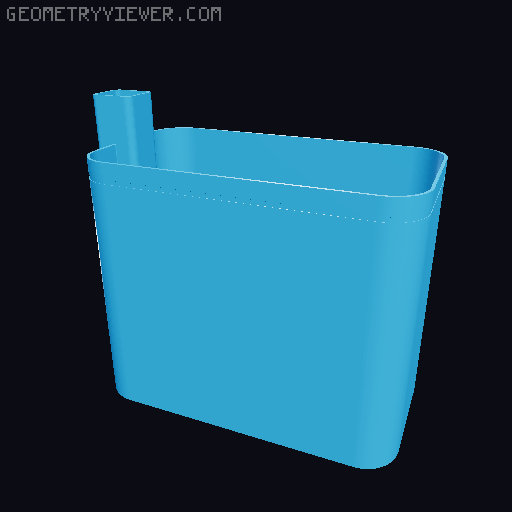
Self-watering rectangular planter (for taller plants)
by Fisherman · via Printables
| Format | STL |
| Category | Home |
| License | CC BY-NC-SA |
| Triangles | 10.2k |
| Uploaded | Jul 4, 2023 |
⬇ 132 downloads
❤ 36 likes
👁 1.2k views
Description
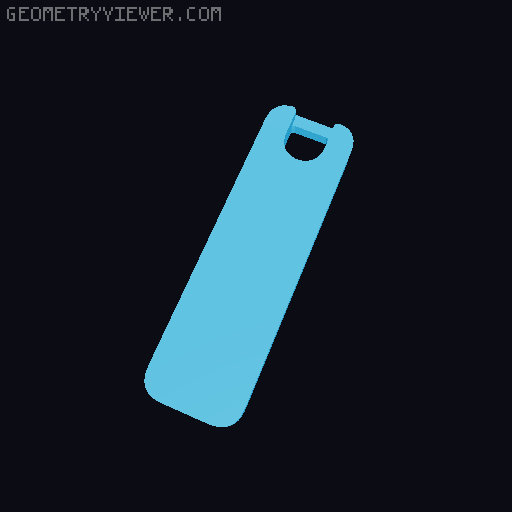
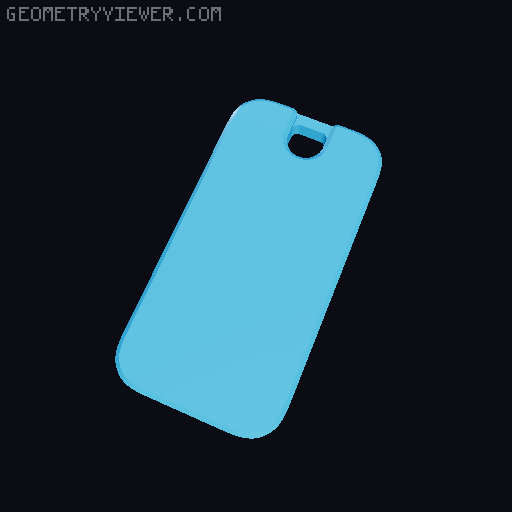
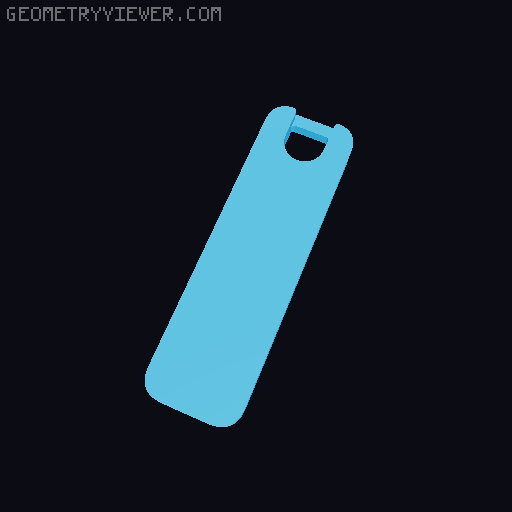
I love the self-watering planter by Mikolas Zuza. I wanted to use it for some taller indoor/balcony plants, but scaling in the slicer did not produce usable results, so I pushed and pulled faces, edges and vertices in my favorite 3D modelling software. The result is 5cm more height for soil/roots inside the inner shell. 📷 Image redacted — claim this model to add your own media The height of the inner shell (internal dimension) is now 167mm compared to 117mm of the original model. 📷 Image redacted — claim this model to add your own media The height of the outer shell (external dimensions) is now 180mm (excluding the filler neck) respectively 214mm (including the filler neck) compared to 127mm (respectively 160mm) on the original model. 📷 Image redacted — claim this model to add your own media You want to print the outer shell, the inner shell, and 2 syphons. This remix does not include the original floater / indicator, as it does not fit. If you want a matching indicator for the water level, you also need to print resized floater/indicator ( https://www.printables.com/de/model/499003-resized-indicator-for-self-watering-planter-for-ta ) Slicer parameters The filler neck and the struts inside would not print in vase mode because here the hull consists of more than a single wall line. In addition, it should be borne in mind that the outer shell must be watertight, and the pot filled with wet soil and water - in addition to size/height, rectangular shape and long straight sides - can easily reach a weight of 5 kilograms or more. So vase mode to save time and/or filament is unfortunately not an option for this model. I printed mine with the following settings 0.4mm nozzle, 0.2mm layer height (a bigger nozzle for the outer and inner shell will save you some time - with bigger nozzles, you could check if Arachne mode can save you even more time) 2 wall loops 20% infill 3 top and bottom shell layers (outer shell: 4 bottom shell layers) no supports The fact that the smallest error is immediately noticeable with such large side surfaces should be taken into account when choosing the printing speed and the filament.
Originally published on Printables