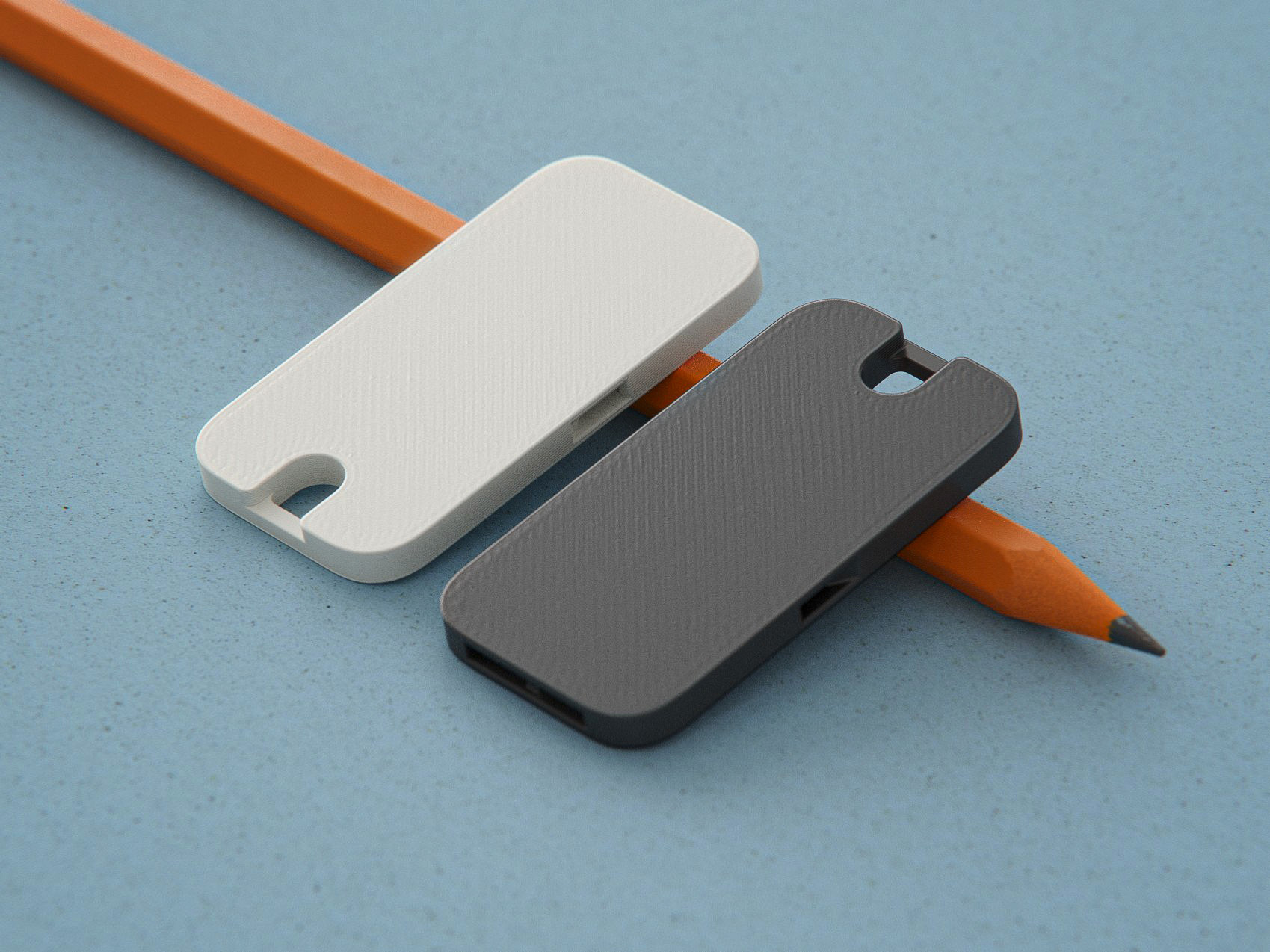
Tachometer for HF / SIEG X2 mini-mill
by imadesignernoob · via Thingiverse
| Format | STL |
| Category | Home |
| License | CC BY-SA |
| Triangles | 456 |
| Uploaded | Apr 13, 2026 |
👁 14 views
Description
This would surely work with other similar SIEG X2 minimills Note : You have to remove the safety shield (at you own risk!) Sensor & Housing: I did not want to use a spinning a magnet glued to the shaft at 2500rpm. Who knows when that would let go! (Although if you made a thin cup like housing that bolts on top of the shaft maybe that would be safe) So the sensor I chose is an IR proximity sensor (Amazon, etc). These use 5vdc. The sensor housing is held in place with two 4mmx12 screws tapped into the upper housing. You have to notch the cap to fit over the sensor housing (easy job for dremel and a file) I painted part of the shaft nut white as seen in photo to create the pulses. I bet a shiny reflective sticker would work too. The housing keeps the IR sensor hooded about 10mm away from the shaft and that seems to work well. All you have to do is adjust the sensor sensitivity to what works best for you. Tachometer & housing: You will need a tachometer - I chose a 12vdc model as it allows me to connect to the fan screw block inside the rear control housing. (search Amazon for "DIGITEN 4 Digital Green LED Tachometer RPM Speed Meter"). It fits snugly into the housing. I used two 5mmx12 button head screws to hold the housing to the mill to get more internal clearance. I soldered a wire to the 5v diag terminal on the tach circuit board to have a 5v source. I made a small circuit board with an 817 opto-isolator to connect the two devices; plus two resistors 22k, 10k. I will include a circuit drawing soon as i draw it up. I used dupont connectors as they are easy to come by though you could just solder the wires directly. And then i wrapped the circuit board up in a few layers of Kapton tape to insulate it from shorting inside the tach housing. I used plastic wiring tubing to run the wires; its hot-melt glued in place in the front but you could use whatever to hold it. The rest is tape and zip ties. Adjustment: Turn shaft by hand and adjust till you can see the top green LED go on and off. You might need to further adjust at high speeds. I have mine working down to 100 rpm. Lower than that i get random reading. And after it stops it takes a few seconds to go to zero but that is expected.
Originally published on Thingiverse