Underground termite club - bait station
by snapwithdale · via Thingiverse
| Format | STL |
| Category | Home |
| License | CC BY-SA |
| Uploaded | Mar 1, 2026 |
⬇ 46 downloads
❤ 1 likes
👁 136 views
Description
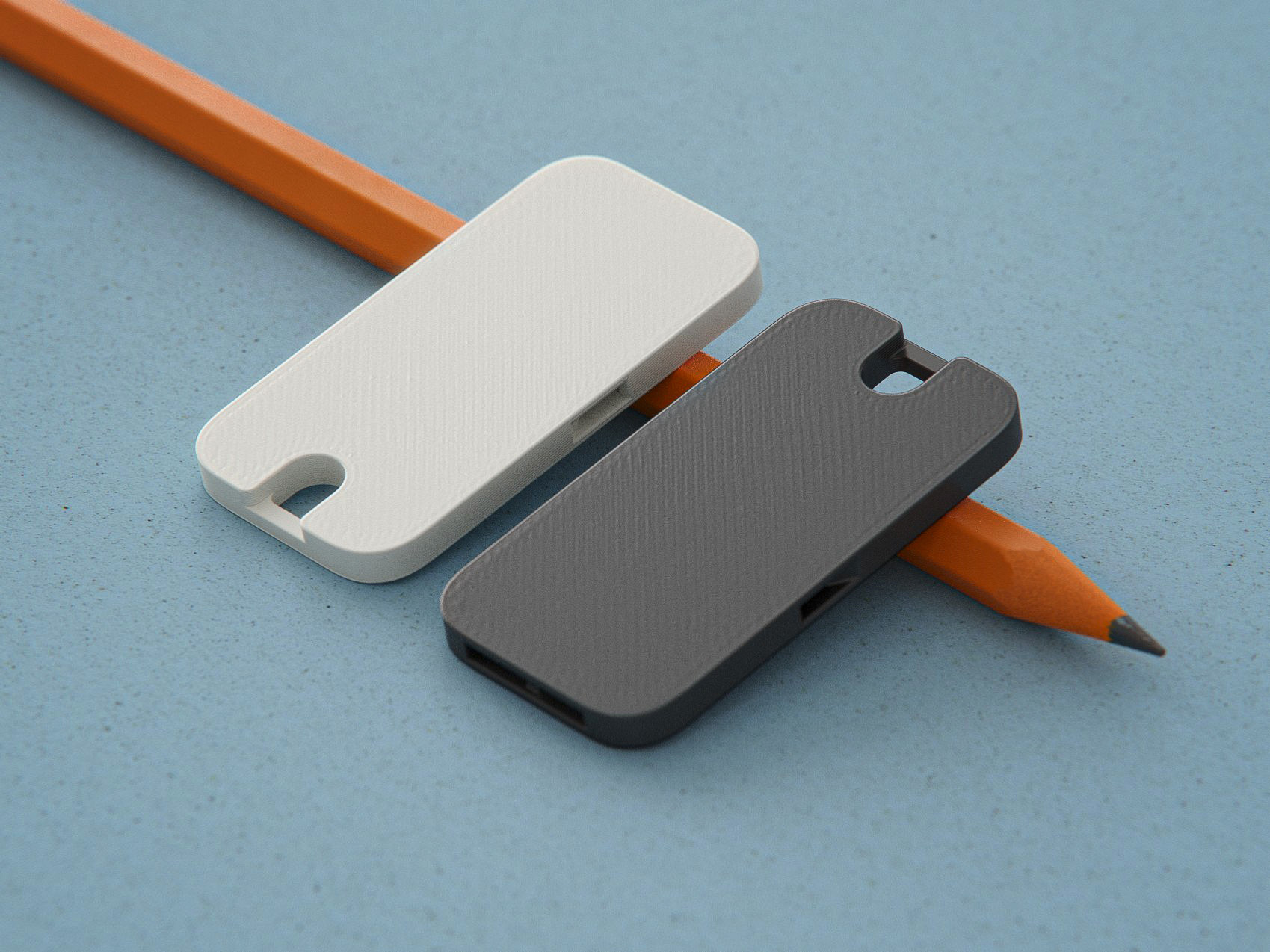
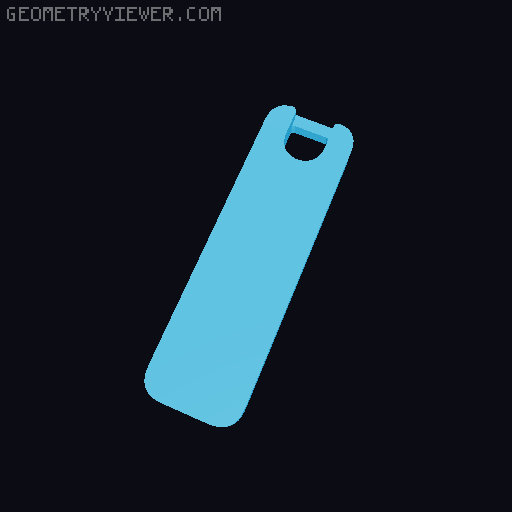
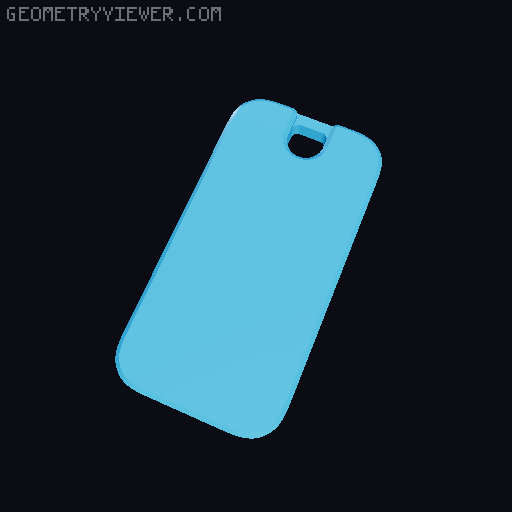
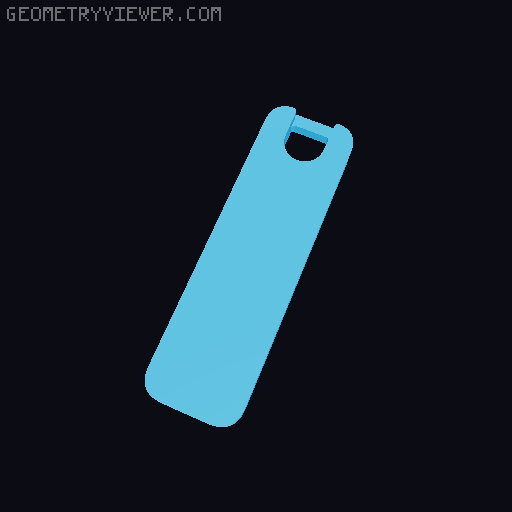
Termite trap/bait stations designed to suit the industry-leading Sentricon Always Active Bait Rods 150g. There are two versions: single walled - uses less plastic and simple for termites to enter. Classic design. double walled - to address properties like mine where you have a lot of dirt ingress into your termite traps. As far as I know the double-walled is the first termite trap design that addresses the dirt issue. It was a massive pain for me. I would pull the stick out to check for termites but then not be able to get the stick back into the trap due to the dirt in there. I would then have to pull the trap and dig the hole out again. No bueno. Hence the new design. It does take longer to print. 4.4 hours for the standard versus 7.3 hours for the double walled, but this is well worth it to avoid digging in my yard every time I check them. Same ID and same lid for both designs. Make sure the lid prints with enough wall thickness to minimise any light inside your trap. I added gradients on the inner side to try help this. You could also just use some dark tape or dark silicon to blacken it out if needed. I've printed in PETG for better durability in the harsh Australian sun. I'm sure PLA would work too. I used 0.3 layer height, 2 walls, no support, 15% infill. I originally designed a larger bait station to include wood, but then I found termites and decided to stop wasting my time with wood and to instead always keep the rods in the ground. I suggest you do the same if you also live in a termite-happy area. Let me know if you want a copy of the trap with a larger ID to suit wood. I have seven of these in the ground now. I need to put in another seven to complete the protection of my property. Please feel free to share any feedback you might have. Would love to see some makes and hear how you get on.
Originally published on Thingiverse