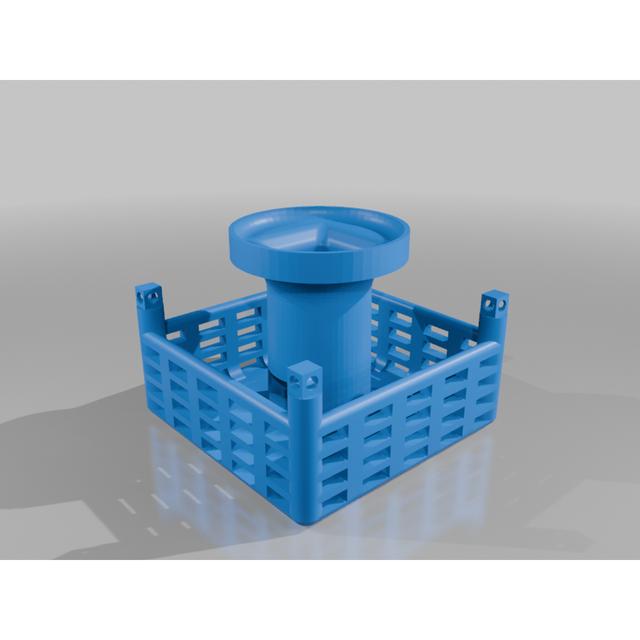
Working Hot Air Balloon
by Sapoconcho · via Thingiverse
| Format | STL |
| Category | Home |
| License | CC BY-SA |
| Uploaded | Apr 25, 2026 |
⬇ 4 downloads
👁 22 views
Description
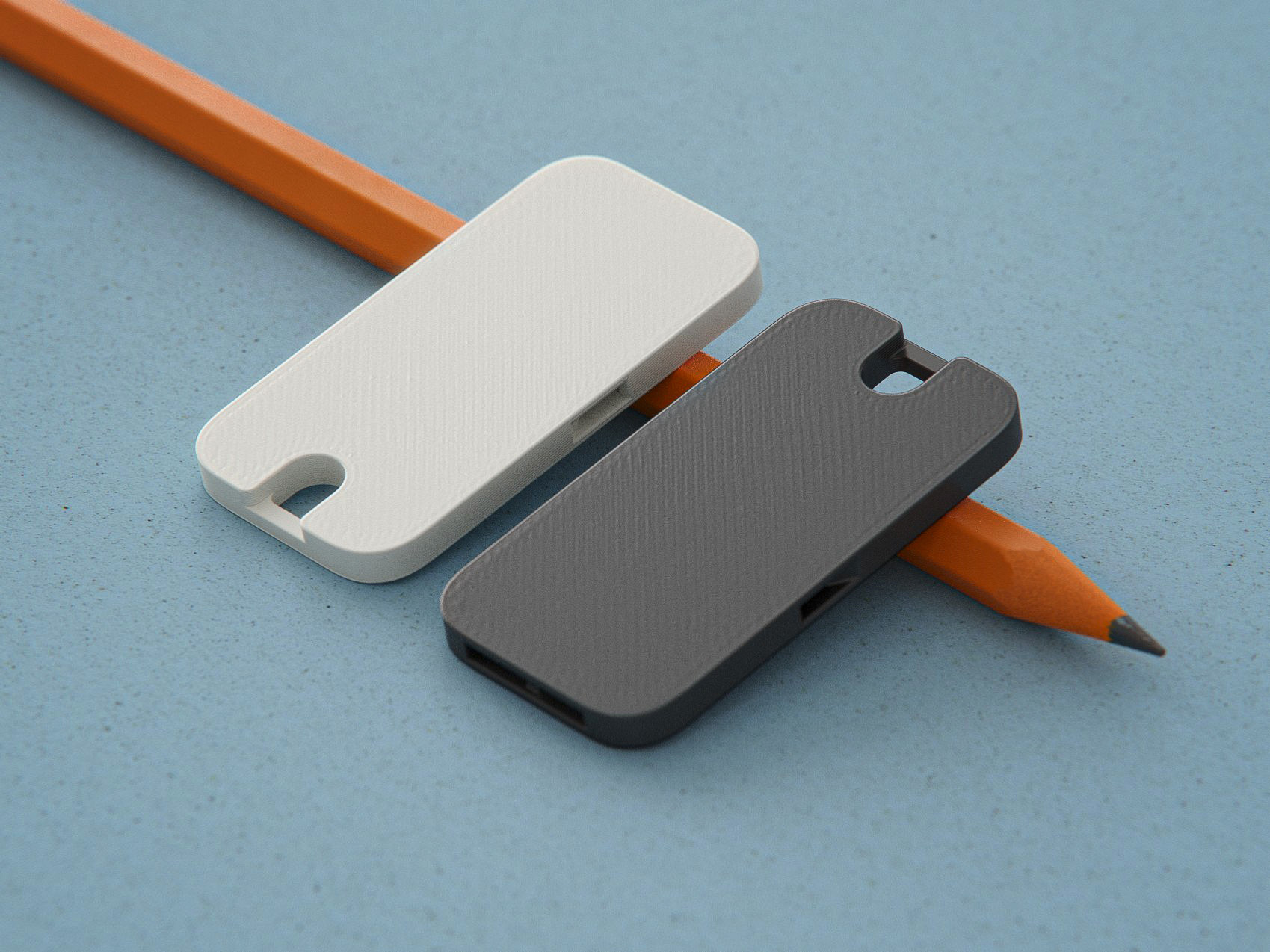
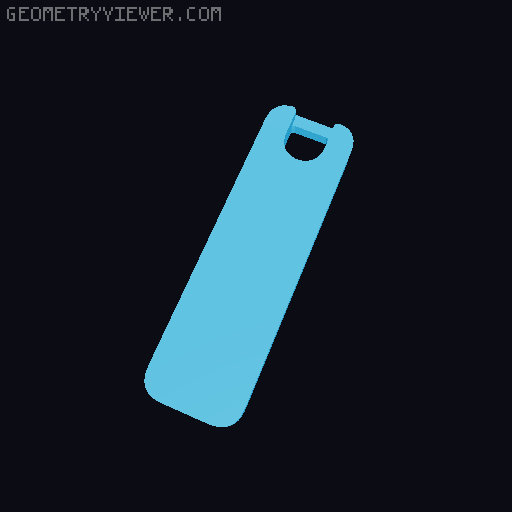
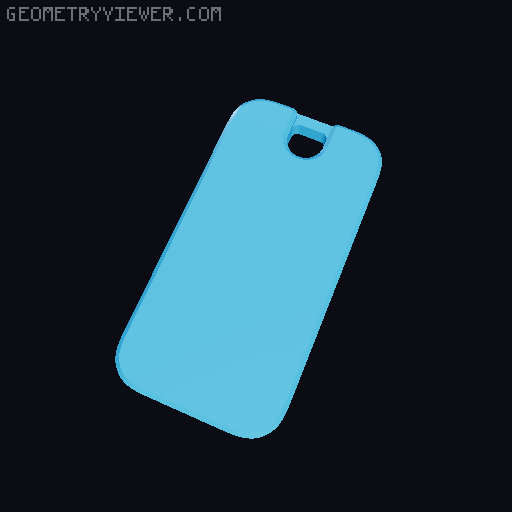
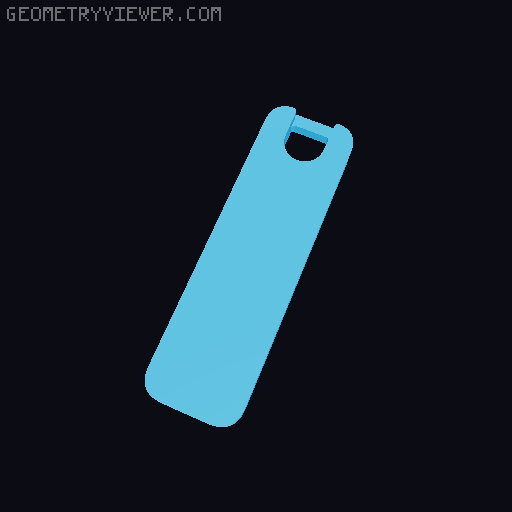
At the top of the gondola, place a round piece of cork, about 2 cm in diameter. On top of this, place a bottle cap (I made mine the size of an Estrella Galicia beer cap), and on top of the cap, a circular piece of hexamine fire starter. For making the balloon, it is recommended to use thin, high-density polyethylene (HDPE) bags (the typical translucent garbage bags), as they offer the best weight-to-watertightness ratio. The sail is constructed by assembling segments cut with a parabolic template to ensure an efficient spherical or oval shape. The panels should be joined by overlapping the edges and sealing them with light adhesive tape or contact cement stick, avoiding excess adhesive to prevent adding to the overall weight. It is essential to reinforce the lower opening of the balloon with a ring of thin cardboard or tape to distribute the tension of the guy wires connecting to the printed gondola, maintaining a separation of at least 25 cm to protect the material from rising heat. To ensure sufficient lift to compensate for the 15-20g of the assembly (gondola + candle), an 8-segment design is recommended, with a height of 90-100 cm and a maximum width of 35-40 cm at the equator. The shape of each segment should follow a smooth parabolic curve, widening from the crown (top) to the center and narrowing towards an opening approximately 20 cm in diameter. This total volume (approximately 0.4 m³) generates the necessary lift with a moderate temperature differential. For a professional finish, the segments should be cut leaving a 1 cm seam allowance to facilitate overlapping and heat sealing or sealing with adhesive. For the rope, it's best to avoid nylon and other synthetic threads; cotton thread is preferable (Kevlar thread is better, but it's too much for a hot air balloon like this). Regarding the gondola, it should be printed with the lowest possible infill percentage and is designed to be made in PAHT-CF. This is the best option, but if you don't have it at home, you can use PLA. It's not the best, but it should withstand the heat well. Once the assembly is complete, to test that everything is working properly before launching, it's advisable to inflate it with a hairdryer to check for leaks. And, when launching, it must be on a windless day, because it can become quite unstable during flight, which can be dangerous.
Originally published on Thingiverse