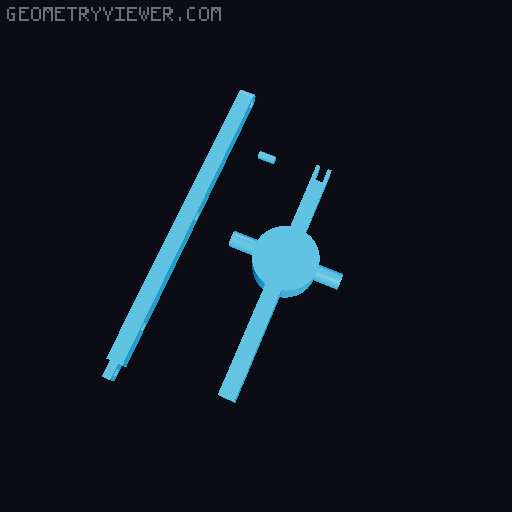
Yagi-Uda antenna for Meshcore 869Mhz
by WCATFN · via Thingiverse
| Format | STL |
| Category | Home |
| License | CC BY-SA |
| Triangles | 5.2k |
| Uploaded | Apr 18, 2026 |
👁 4 views
Description
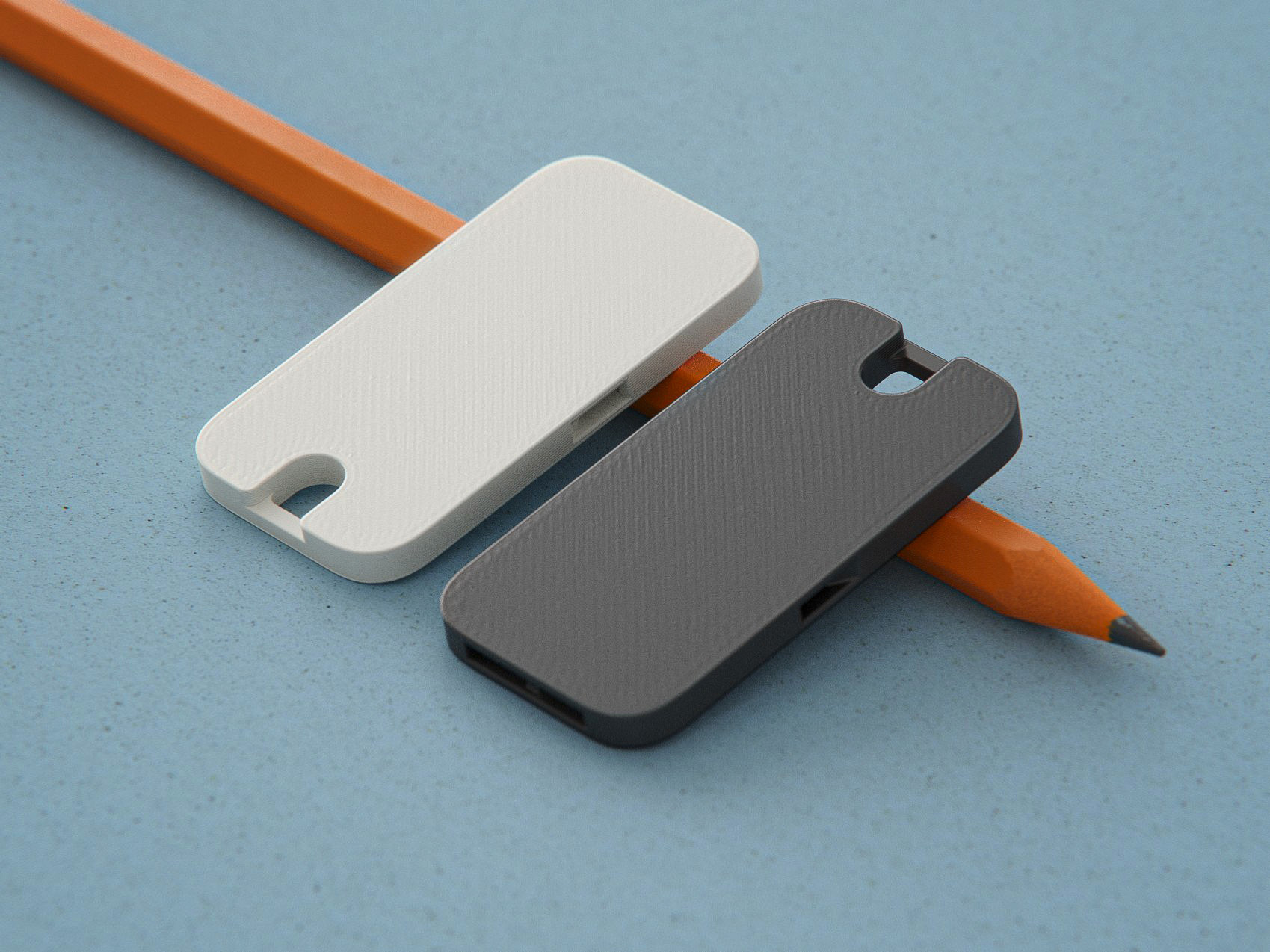
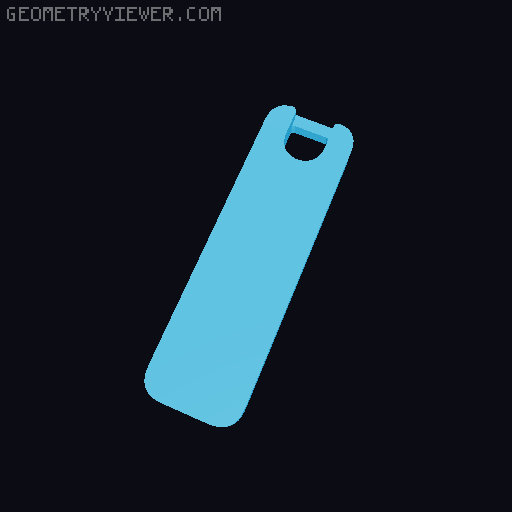
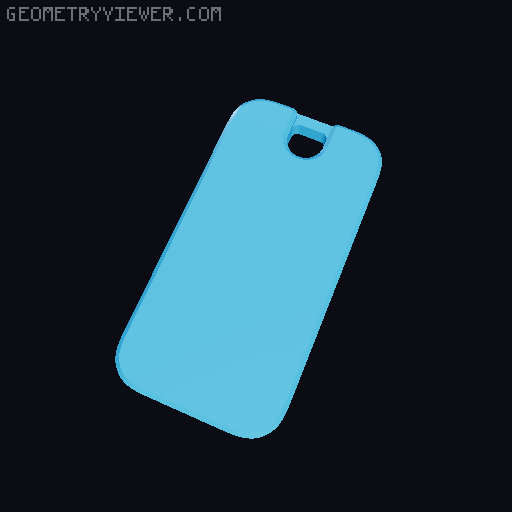
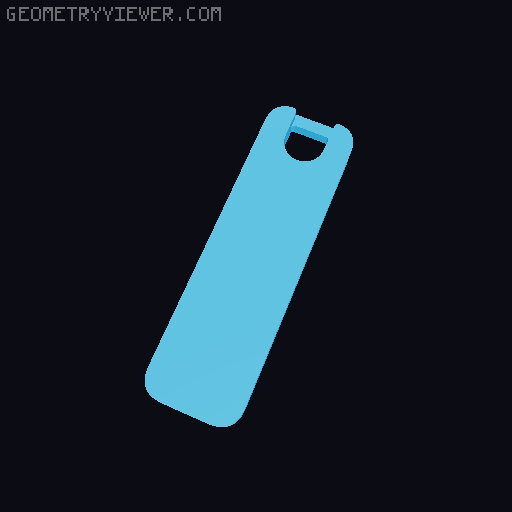
After making a pole-clamped enclosure with a Solar Panel support and a Monopole Antenna support, as a solution it worked really well but the Monopole antenna performance was marginal for the repeater 19 miles away. So I decided to create a 6 element Yagi-Uda antenna. There are other similar designs for this type of antenna on Thingiverse, but they typically are using rather thin copper wire for elements. Others seem to have the intervals between elements all wrong so I started from scratch to be certain. I used DL6WU Yagi-Uda antenna calculator page to get the element lengths and intervals/spacing: https://3g-aerial.biz/en/online-calculations/antenna-calculations/dl6wu-yagi-uda-antenna-online-calculator Using a larger diameter element makes it a bit more broadband and a bit more robust for when pigeons try to use is as a perch. This is pretty simple - a support boom with 6.5mm holes at calculated intervals for the aluminium tube elements acquired from B&Q (1 Meter Length 6.5mm Dia. https://www.diy.com/departments/aluminium-round-tube-l-1m-dia-6mm-t-1mm/254217_BQ.prd ). Printed in ASA for UV durability, the support boom is divided into two parts to allow it to fit on the 3dPrinter plate and secured with a simple pegged Mortise and Tenon joint. The driven element is cut in half and mounted in the cylindrical 'box' to protect the coax connectors from the worst of the weather this is mounted with the opening downward and a cap press-fit to help keep out the weather. Completed with half a meter of RG58 and a suitable connector for the Meshtastic/Meshcore Tracker L1 Pro. ( https://www.ebay.co.uk/itm/234790679839 ) All the elements are intended to be just press-fit so drilling out the holes carefully to just the right size is key. The elements can be glued finally if they end up a bit loose. For the driven element connector, I used spade automotive connectors with the wire crimp part spread to fit inside the tube and bent over to receive the spade wire terminals - I could have soldered the coax directly to the spade tabs but I was not sure if I would need to separate it for tuning SWR for example. Small self-tapper screws and small crimped eyelets would work. Crimping the Ali tube direct onto the tinned wires would work. Soldering directly onto Aluminium does NOT work. The driven element tubes were blocked with silicon sealer to reduce risk of water ingress. Again making use of my previous Locking Pole Clamp ( https://www.thingiverse.com/thing:7314134 ) , this time modified with a bolt attachment method, to allow the antenna to be rotated from horizontal to vertical to best suit conditions and secured with a stainless steel M5 bolt into a brass threaded insert. Certain areas of the clamp and the support boom need 100% infill modifiers for additional strength, these areas are shown on the Creality Print App build plate screenshots. The hinge pin fro the clamp should be cloned another two times for a total of 3 hinge pins. This clamp is intended to be mounted to a 35mm Dia. pole/mast above the previous enclosure ( https://www.thingiverse.com/thing:7333266 ) and be independently rotated to point at a remote repeater. SWR tested with a NanoVNA was remarkably correct, no adjustment needed at a respectable 1.25:1 A bit of insulation tape on the inner surface of the clamp will tighten it up if it turns out a little loose on the pole.
Originally published on Thingiverse